
City Planning
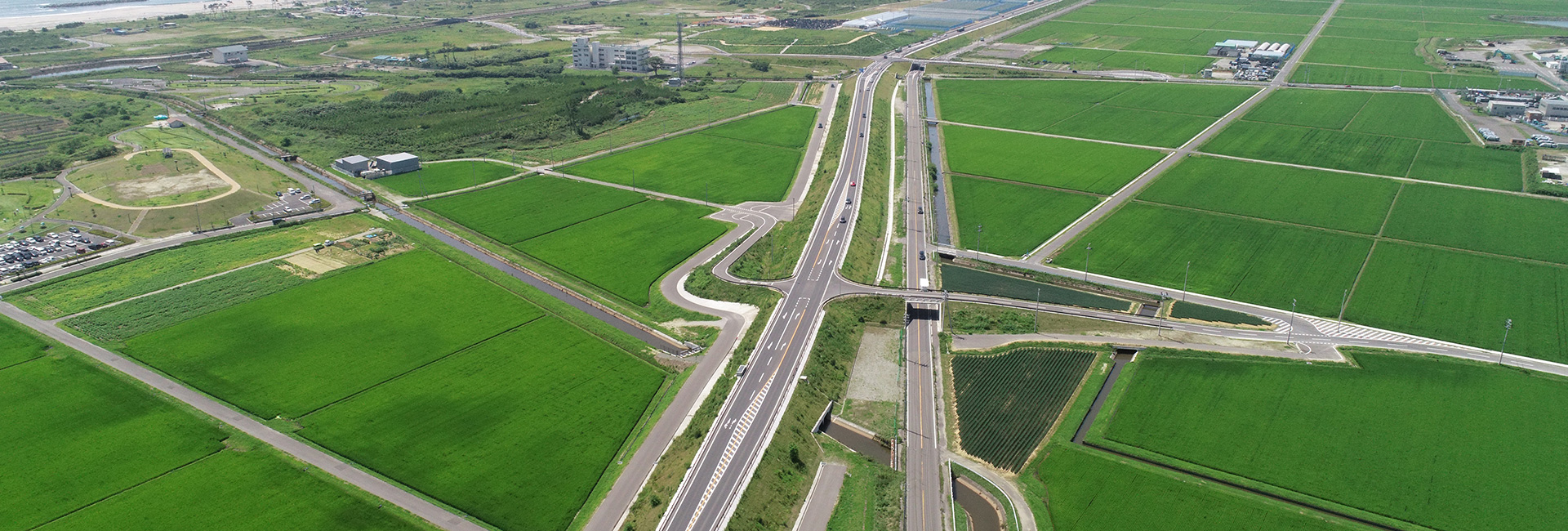
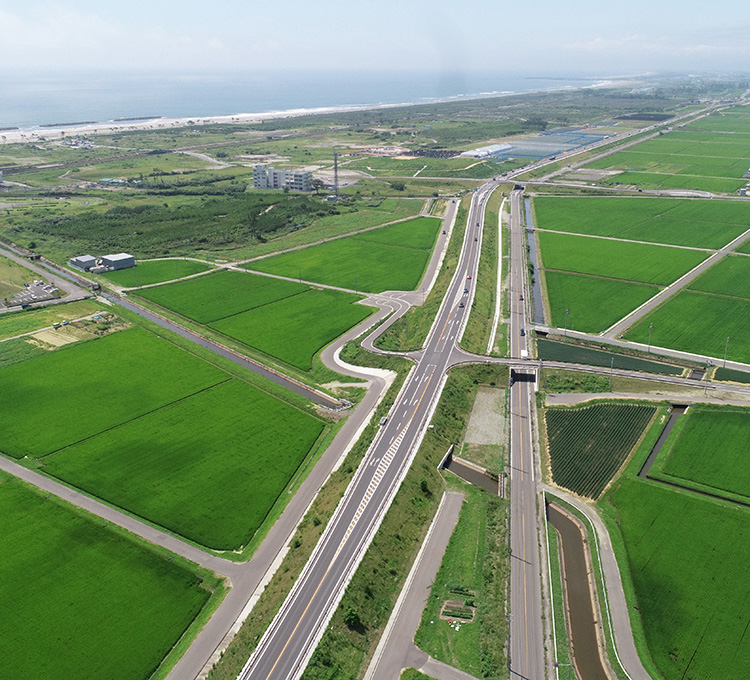
In the reconstruction efforts following the Great East Japan Earthquake, Sendai City has realized “Build Back Better” through initiatives such as multiple defenses against tsunami, inland relocation from designated high-risk tsunami areas, and the effective reuse of coastal areas to create new vitality.
In preparation for future disasters, the City is strengthening its disaster resilience through a combination of structural and non-structural measures by enhancing infrastructure, developing various disaster preparedness plans, and providing of disaster-related information.
Furthermore, while embracing the rich natural environment of the “City of Trees,” the City is promoting ambitious environmental initiatives as a designated Leading Decarbonization Area, aiming to build a resilient and sustainable society from both disaster resilience and environmental perspectives.
Building Back Better from Great East Japan Earthquake
Efforts to Strengthen Disaster Resilience
Building a Sustainable City
Human Capacity Building
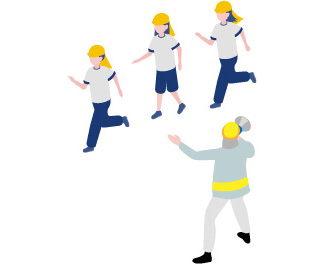
To promote disaster risk reduction, not only structural measures but also individual preparedness and actions are essential.
By encouraging active participation and collaboration among all stakeholders—including citizens, businesses, and academic institutions—efforts for disaster risk reduction can be further advanced, rather than relying solely on government actions.
To ensure that no one is left behind, regardless of gender, age, nationality, or disability, the City is working to enhance community disaster resilience through initiatives such as developing local disaster preparedness leaders and advancing disaster risk reduction education.
Furthermore, we aim to further promote disaster risk reduction by strengthening partnerships with key stakeholders, including national and local governments, businesses, and academic institutions.
Initiatives to Strengthen Community Disaster Resilience
Partnerships among Key Stakeholders
Passing down Experiences and Lessons
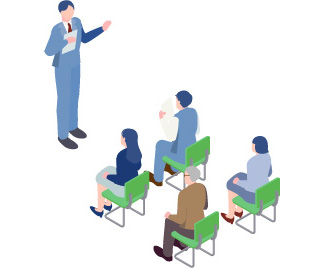
Passing down the experiences and lessons learned from the Great East Japan Earthquake without letting them be forgotten is essential for strengthening future disaster risk reduction efforts.
By operating memorial facilities in collaboration with citizens and community organizations, and by archiving videos and photographs, the City is working to preserve these memories for future generations and to foster a culture of disaster resilience.
Furthermore, through proactive dissemination both domestically and internationally, the City aims to contribute to disaster risk reduction efforts around the world.